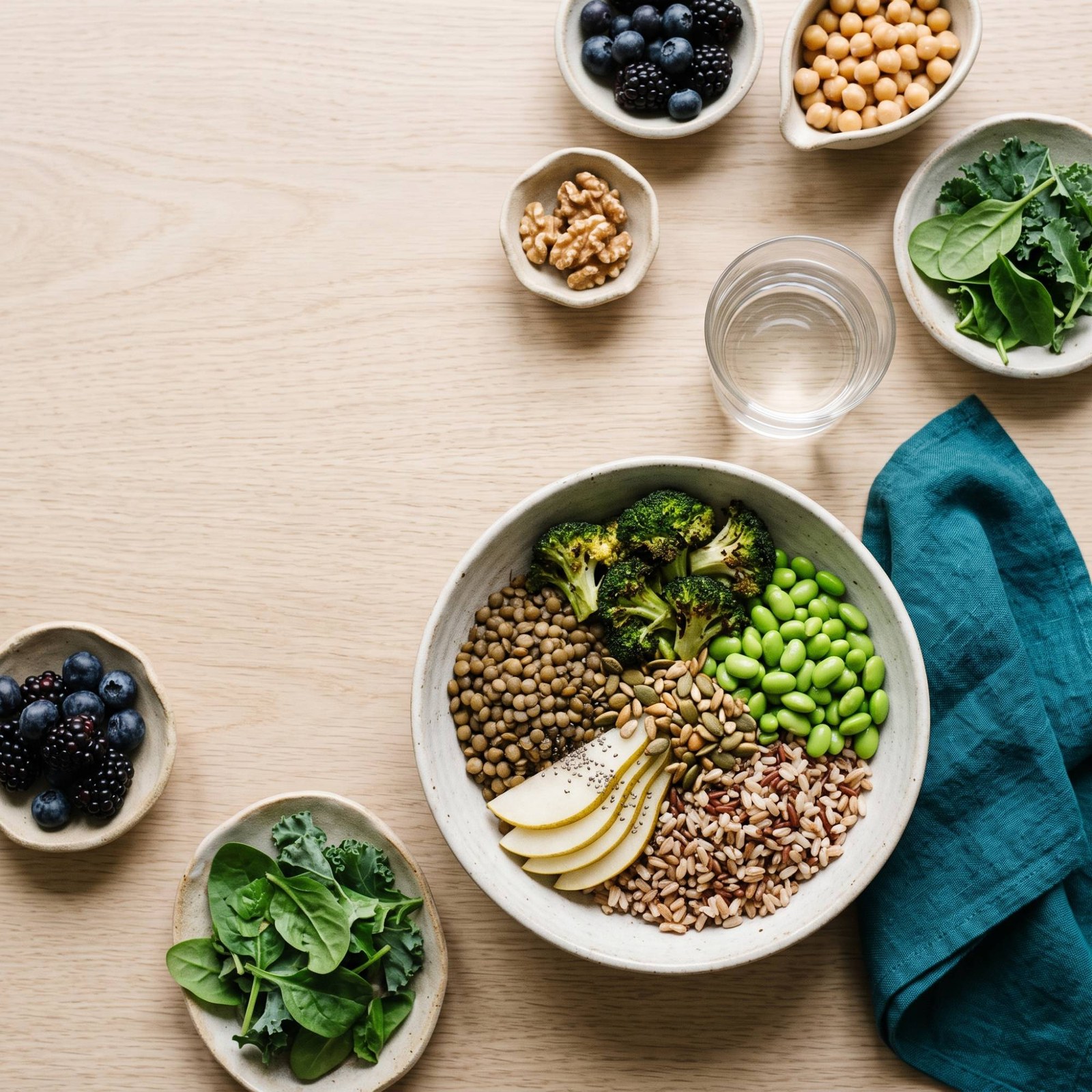
“Fibremaxxing” has taken over social media, and for once the trend is backed by solid science. Fibre is one of the nutrients most consistently linked with better health in research, yet most of us still don’t eat enough of it.
What the evidence shows
A major review commissioned by the World Health Organization and published in The Lancet pooled 185 long-term studies and 58 clinical trials. People who ate the most fibre had a 15–30% lower risk of death from all causes and from cardiovascular disease, and lower rates of coronary heart disease, stroke, type 2 diabetes and colorectal cancer, than those who ate the least.1
The benefits were greatest at 25–29 g a day. In clinical trials, eating more fibre also lowered body weight, blood pressure and total cholesterol.1 In Hong Kong, the Department of Health recommends that adults eat at least 25 g of fibre a day.2
How fibre may help
- It feeds your gut microbes, which turn it into short-chain fatty acids that research suggests may help calm inflammation and support the gut lining.
- It slows the release of sugar into the blood, which may help reduce spikes after meals.
- It may help clear cholesterol and keep you fuller for longer, which can support a healthy weight.
What 25 g looks like
Roughly: half a cup of cooked lentils (about 8 g), a medium pear with its skin (about 5 g), a cup of cooked broccoli (about 5 g), and two tablespoons of chia seeds (about 10 g).3 Swapping some white rice for brown or red rice, adding edamame, beans and leafy greens to everyday meals, and choosing fruit over juice all add up quickly.
Fibremaxxing, gently
- Go gradually. Increase over a few weeks to give your gut time to adjust.
- Drink more water as you add fibre.
- Aim for variety. In one large microbiome study, people who ate 30 or more different plant foods a week had more diverse gut bacteria than those who ate 10 or fewer.4
- Food first. Whole foods bring vitamins, minerals and polyphenols that fibre supplements don’t.
- Check in if things don’t settle. Ongoing bloating or changes in bowel habit deserve a proper assessment.
How Humansa helps
Through our Empowered Nutrition pillar, a dietitian looks at what you actually eat and builds practical changes around your routine, from business lunches to family dinners. Where it helps, we use tools such as continuous glucose monitoring and GI-MAP gut testing to see how your body responds, and adjust from there.
References
1. Reynolds A, et al. Carbohydrate quality and human health: a series of systematic reviews and meta-analyses. Lancet. 2019;393(10170):434–445.
2. Department of Health, HKSAR. EatSmart Restaurant Star+ newsletter, 2025 issue 12. PDF
3. U.S. Department of Agriculture. FoodData Central (approximate values).
4. McDonald D, et al. American Gut: an open platform for citizen science microbiome research. mSystems. 2018;3(3):e00031-18.
This article is for general information and does not replace personalised medical advice. Speak with a healthcare professional about your own health.