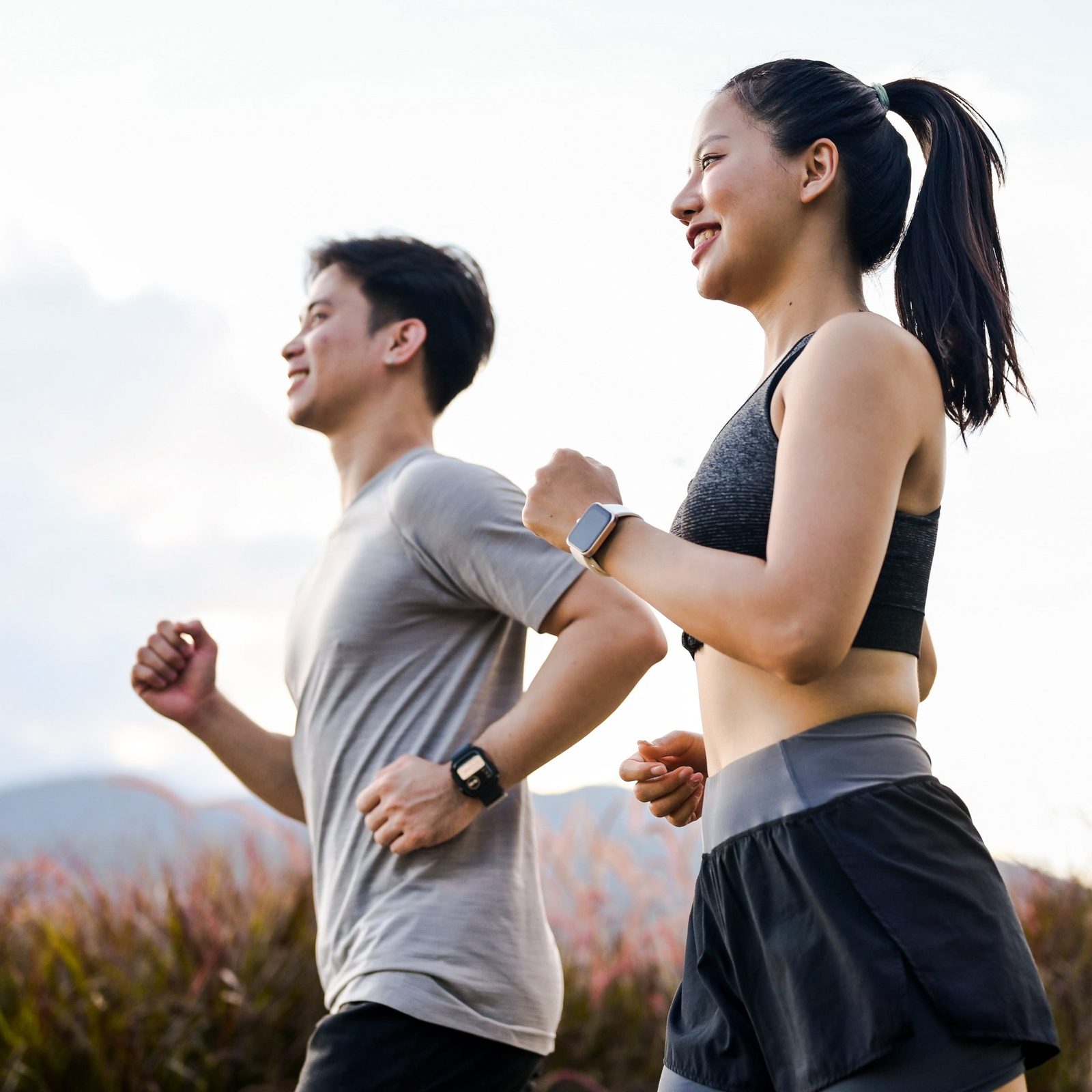
We tend to think of muscle as being about appearance or sport. The research tells a different story: studies have linked how strong you are in midlife with how well, and how long, people live.
Muscle loss starts earlier than you think
From around age 30, adults lose an estimated 3–8% of their muscle mass every decade, and the decline speeds up after 60.1 Advanced age-related muscle loss, known as sarcopenia, affects balance, metabolism, blood-sugar control and, eventually, independence.
Hong Kong is not immune. In Humansa’s GripFit Hong Kong Challenge, which measured 2,343 people aged 14 to 86, more than 30% fell into the “weak” grip-strength category, and women’s average grip strength began to decline from as early as 35.2
Strength and survival
Grip strength is a simple, widely studied marker of overall health. The PURE study followed nearly 140,000 adults in 17 countries and found that every 5 kg lower grip strength was associated with a 16% higher risk of death from any cause. Grip strength was a stronger predictor of death than systolic blood pressure.3
A small weekly dose may go a long way
You don’t need hours in the gym. A review of 16 studies in the British Journal of Sports Medicine found that muscle-strengthening activity was associated with a 10–17% lower risk of death from all causes, cardiovascular disease, cancer and diabetes. The greatest benefit appeared at around 30–60 minutes a week.4
Getting started, safely
- Train twice a week. Work the major muscle groups (legs, hips, back, chest and arms) on two or more days a week, in line with WHO guidance.5
- Progress gradually. Good form first, then add load or repetitions over time.
- Eat enough protein. Older adults may need more protein to maintain muscle: an expert group recommends 1.0–1.2 g per kg of body weight a day for people over 65, and more for those who are active.6
- Include balance and power. Quick, controlled movements and balance work may help reduce the risk of falls.
- Get checked first if you have joint pain, a heart condition or haven’t exercised in a long time.
How Humansa helps
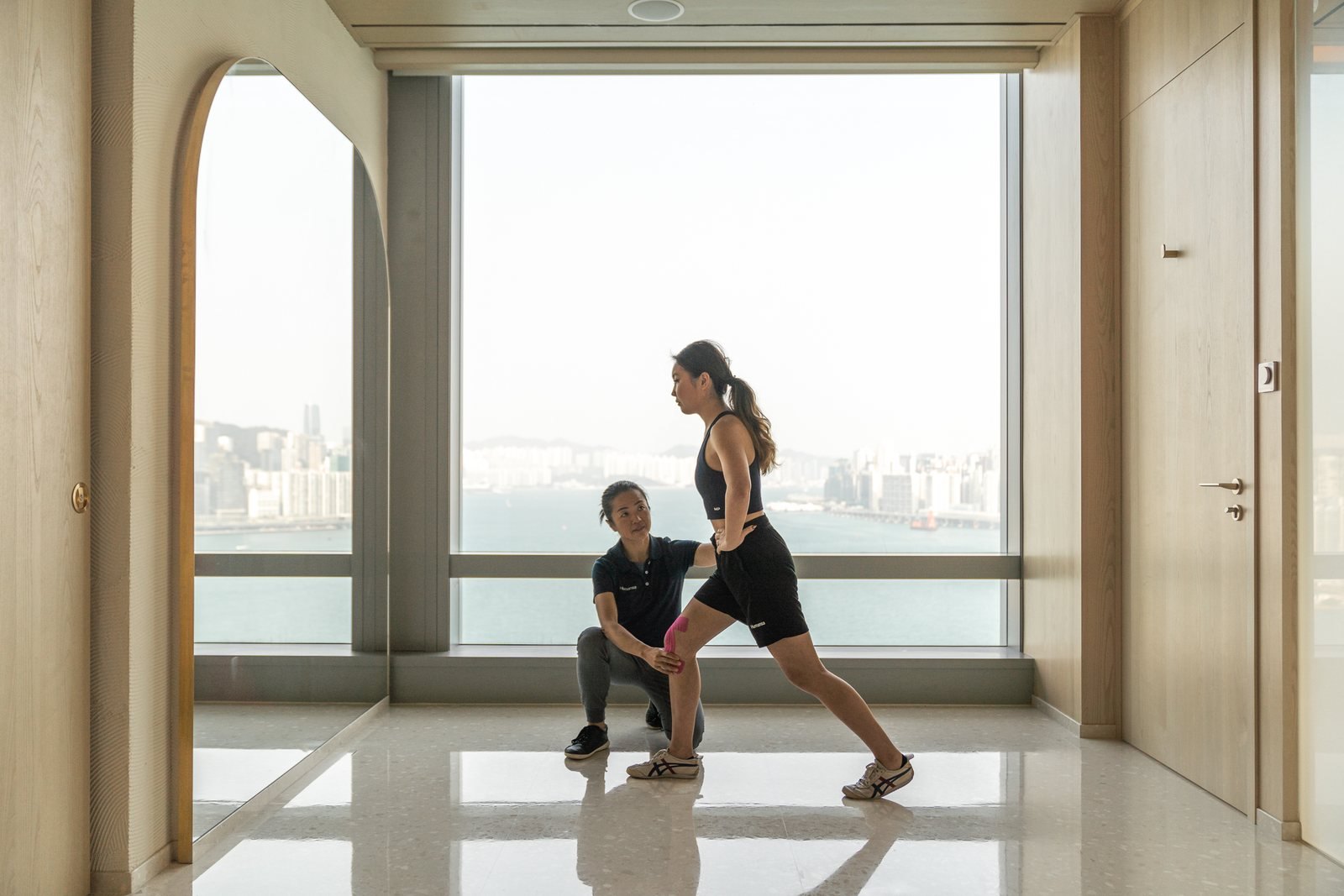
Through our Energized Motion pillar, we start with measurement: grip strength, DEXA body composition, VO₂ max and mobility. Your coach builds a programme around your results and schedule, your dietitian aligns your protein intake, and we re-measure regularly so you can track your results over time.
References
1. Volpi E, Nazemi R, Fujita S. Muscle tissue changes with aging. Curr Opin Clin Nutr Metab Care. 2004;7(4):405–410.
2. Humansa. GripFit Hong Kong Challenge findings. January 2024.
3. Leong DP, et al. Prognostic value of grip strength: findings from the Prospective Urban Rural Epidemiology (PURE) study. Lancet. 2015;386:266–273.
4. Momma H, et al. Muscle-strengthening activities are associated with lower risk and mortality in major non-communicable diseases. Br J Sports Med. 2022;56:755–763. bjsm.bmj.com
5. World Health Organization. WHO guidelines on physical activity and sedentary behaviour. 2020.
6. Bauer J, et al. Evidence-based recommendations for optimal dietary protein intake in older people: a position paper from the PROT-AGE Study Group. J Am Med Dir Assoc. 2013;14(8):542–559.
This article is for general information and does not replace personalised medical advice. Speak with a healthcare professional about your own health.