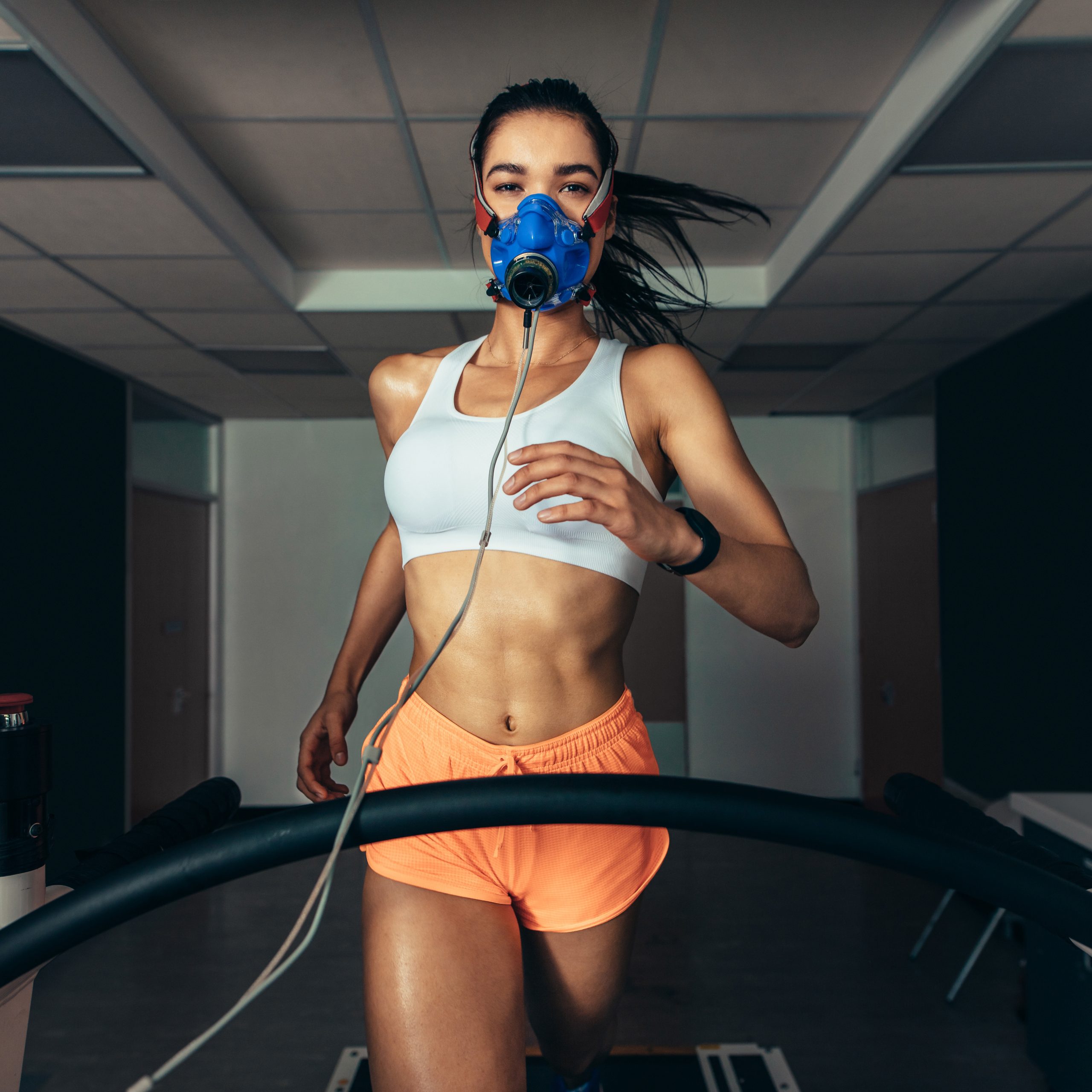
Among all measurable health indicators, VO₂ max — the maximum rate at which your body uses oxygen during exercise — is consistently identified by research as one of the strongest predictors of longevity. People with higher VO₂ max levels tend to live longer, maintain better physical function, and have a lower risk of chronic disease.
Humansa emphasises VO₂ max as a core biomarker for understanding your true health capacity and guiding personalised health optimisation plans.
What Is VO₂ Max and Why Does It Matter?
VO₂ max reflects how efficiently your heart, lungs and muscles work together to deliver and use oxygen. It is an objective measurement of:
- Cardiovascular endurance
- Metabolic efficiency
- Mitochondrial performance
- Overall physical resilience
Research shows that every incremental increase in VO₂ max is associated with reduced all‑cause mortality risk. This makes it a powerful biomarker for healthy aging.
How VO₂ Max Predicts Longevity
1. Stronger Cardiovascular Health
A higher VO₂ max means your cardiovascular system can deliver more oxygen with less strain, reducing long-term risk of heart disease.
2. Better Metabolic Function
Improved VO₂ max correlates with better blood sugar regulation, lower inflammation and healthier body composition.
3. Higher Mitochondrial Efficiency
VO₂ max reflects how well your mitochondria produce ATP. Stronger mitochondria = slower biological aging.
4. Greater Physical Independence
People with higher cardiorespiratory fitness maintain mobility, balance and functional capacity much longer into older age.
How to Improve Your VO₂ Max
Improving VO₂ max does not require extreme training — consistency is more important.
1. Aerobic Conditioning
- Brisk walking, running, cycling, rowing
- Maintain effort at moderate to high intensity
2. Interval Training (HIIT‑style)
- Short bursts of effort followed by recovery can raise VO₂ max efficiently.
3. Strength Training
- Increasing muscle mass improves oxygen utilisation, indirectly supporting VO₂ max.
4. Daily Lifestyle Habits
- Take stairs
- Increase standing time
- Incorporate short movement breaks throughout the day
These micro‑habits benefit long‑term cardiovascular health.
A Precision Longevity Biomarker
Humansa integrates VO₂ max as part of advanced health assessments to:
- Evaluate cardiovascular fitness
- Understand metabolic and mitochondrial efficiency
- Identify early signs of declining physical function
- Personalise exercise, nutrition and longevity strategies
Humansa’s multidisciplinary team uses VO₂ max results to design individualised training plans, optimise recovery and track long‑term improvement — helping clients enhance vitality at every stage of life.
VO₂ max is more than a fitness metric — it is an essential indicator of how well you will live and how long you will stay healthy.
By prioritising cardiorespiratory fitness through structured training, consistent movement and personalised health assessments, anyone can enhance their VO₂ max and improve long-term healthspan.
References:
Kodama, S. et al. Cardiorespiratory Fitness and Mortality Risk. JAMA (2009).
Ross, R. et al. Cardiorespiratory Fitness Is a Strong Predictor of Mortality. Progress in Cardiovascular Diseases (2016).
Lee, D. et al. Fitness vs. Fatness on Mortality. Circulation (2011).
Metcalfe, R. VO₂ Max as a Marker of Cardiometabolic Health. Sports Medicine (2015).