Sun Exposure & Skin Health: What the Science Says About Radiance and Protection
抗衰與長壽
皮膚醫美
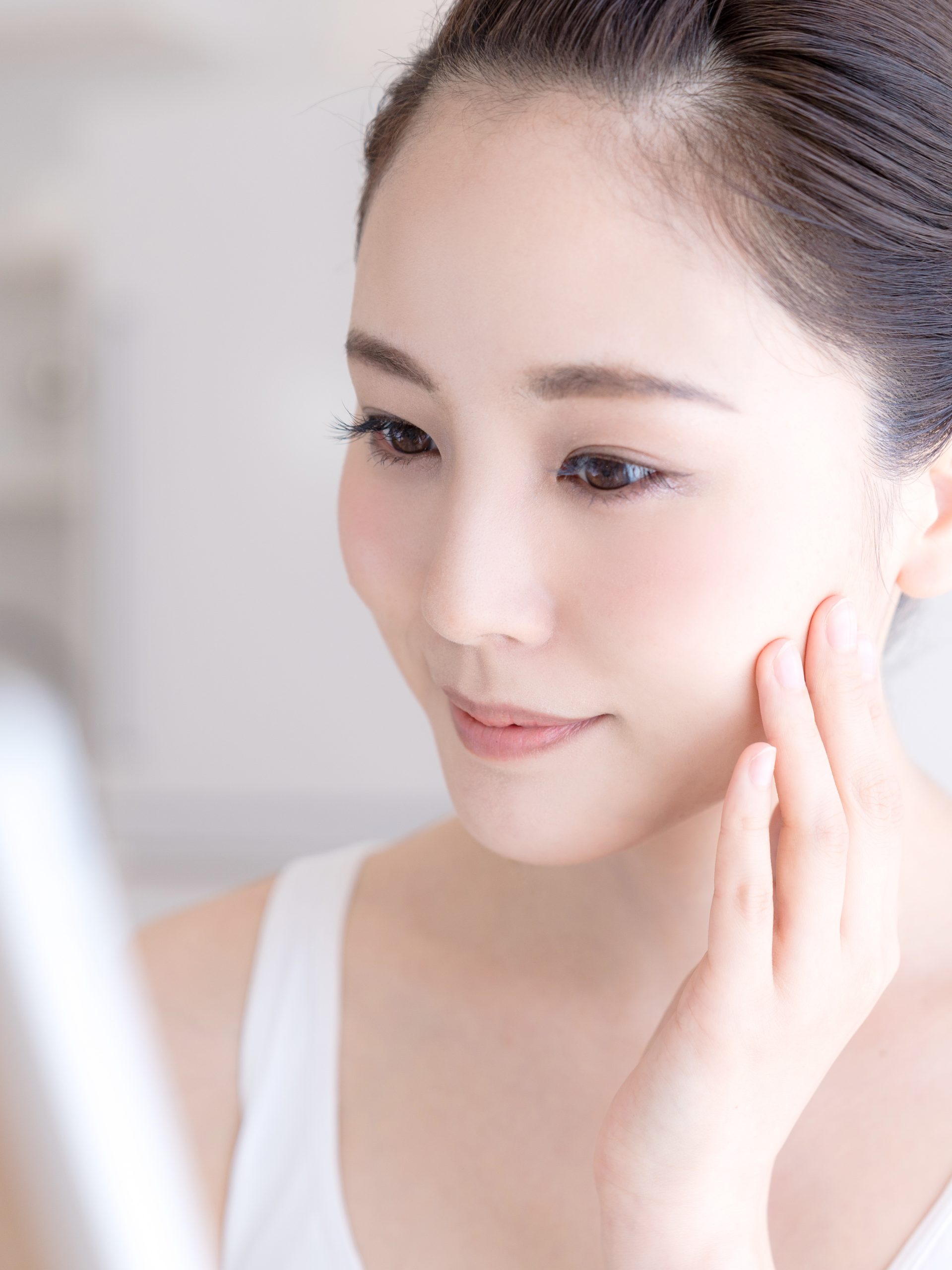
The sun is essential for life — it boosts mood, regulates circadian rhythm and supports vitamin D production. But too much exposure can accelerate skin aging, cause pigmentation and weaken the skin barrier. Understanding the dual nature of sunlight can help you enjoy its benefits while protecting long-term skin health.
Below is a science-based guide to how UV affects your skin, how to balance sun exposure safely, and how to keep your complexion healthy and glowing.
How UV Radiation Impacts the Skin
UV radiation interacts with the skin in two primary ways:
1. UVA — Deep Penetration & Photoaging
UVA rays penetrate into the dermis, where they contribute to:
- Collagen breakdown
- Fine lines and wrinkles
- Pigmentation
- Loss of elasticity
This is why even indirect sun exposure (like sitting by a window) still affects skin over time.
2. UVB — Surface Damage & DNA Stress
UVB rays are responsible for:
- Sunburn
- Surface inflammation
- Direct DNA damage
Repeated UV exposure accelerates oxidative stress and uneven skin tone.
Balancing Sun Exposure: Benefits & Risks
Sunlight provides several essential health benefits:
- Vitamin D synthesis, supporting bone health
- Improved mood and energy
- Better sleep regulation through circadian rhythm alignment
However, excessive sun exposure increases the risks of:
- Photoaging
- Hyperpigmentation
- Skin texture deterioration
- DNA damage
The goal is balance — not too much, not too little.
How to Maintain Skin Glow Under the Sun
Summer and outdoor lifestyles expose the skin to stress. These science-supported strategies help your skin stay bright and resilient.
1. Vitamin C
Vitamin C is widely studied for its ability to:
- Support brighter, more even skin tone
- Fight free radicals
- Support collagen formation
It can be taken as a supplement or applied topically.
2. Glutathione
Glutathione is one of the body's most important endogenous antioxidants. It plays a central role in maintaining healthy-looking skin by managing oxidative stress and supporting cellular balance.
Three Science-Supported Benefits of Glutathione:
(i) Reduces Oxidative Stress
Glutathione neutralises free radicals produced by UV exposure and environmental stress. This helps protect skin cells from oxidative reactions that lead to dullness and texture changes.
(ii) Supports Even Skin Tone
Glutathione interacts with melanogenesis pathways, helping maintain a more even skin appearance — making it a widely discussed ingredient for reducing the look of dark spots and uneven tone.
(iii) Enhances Skin Radiance & Clarity
By supporting detoxification processes and cellular balance, glutathione contributes to clearer, smoother and more radiant-looking skin.
It can be taken in oral supplement form, and is also used in some wellness routines as part of nutrient replenishment therapies.
3. IV Drip Therapy for Hydration & Nutrient Support
For individuals who travel often, experience dehydration or maintain busy schedules, IV drip therapy can be considered as a convenient option to support hydration.
- IV drip therapy delivers fluids, vitamins and minerals directly into the body
- It is supervised by healthcare professionals
- It is designed for individuals seeking a convenient way to replenish nutrients
This makes IV therapy a gentle, optional complement to internal hydration and wellness routines.
4. Pico Laser for Sun-Induced Dark Spots
Pico-second lasers break pigmentation into tiny particles for the body to gradually clear. They are commonly used to diminish the appearance of:
- sun spots
- post-inflammatory marks
- uneven tone
Pico treatments are popular for those who want targeted improvement without downtime.
Sun-Smart Habits for Lifelong Skin Vitality
Sun exposure is both beneficial and challenging for the skin. To maintain glow and resilience:
- Understand how UV affects your skin
- Balance daily sunlight for vitamin D
- Support radiance with vitamin C and glutathione
- Restore hydration and nutrients when needed
Humansa integrates science-driven wellness — including medically supervised IV hydration options and advanced dermatology treatments — to help you maintain healthy, vibrant skin through every season.
References :
- American Academy of Dermatology — UVA/UVB mechanism & photoaging
- Harvard Health Publishing — Vitamin D & sunlight
- Journal of Cosmetic Dermatology — Vitamin C and oxidative protection
- Journal of Dermatological Science — Glutathione & skin clarity
- Lasers in Surgery and Medicine — Pico-second laser research